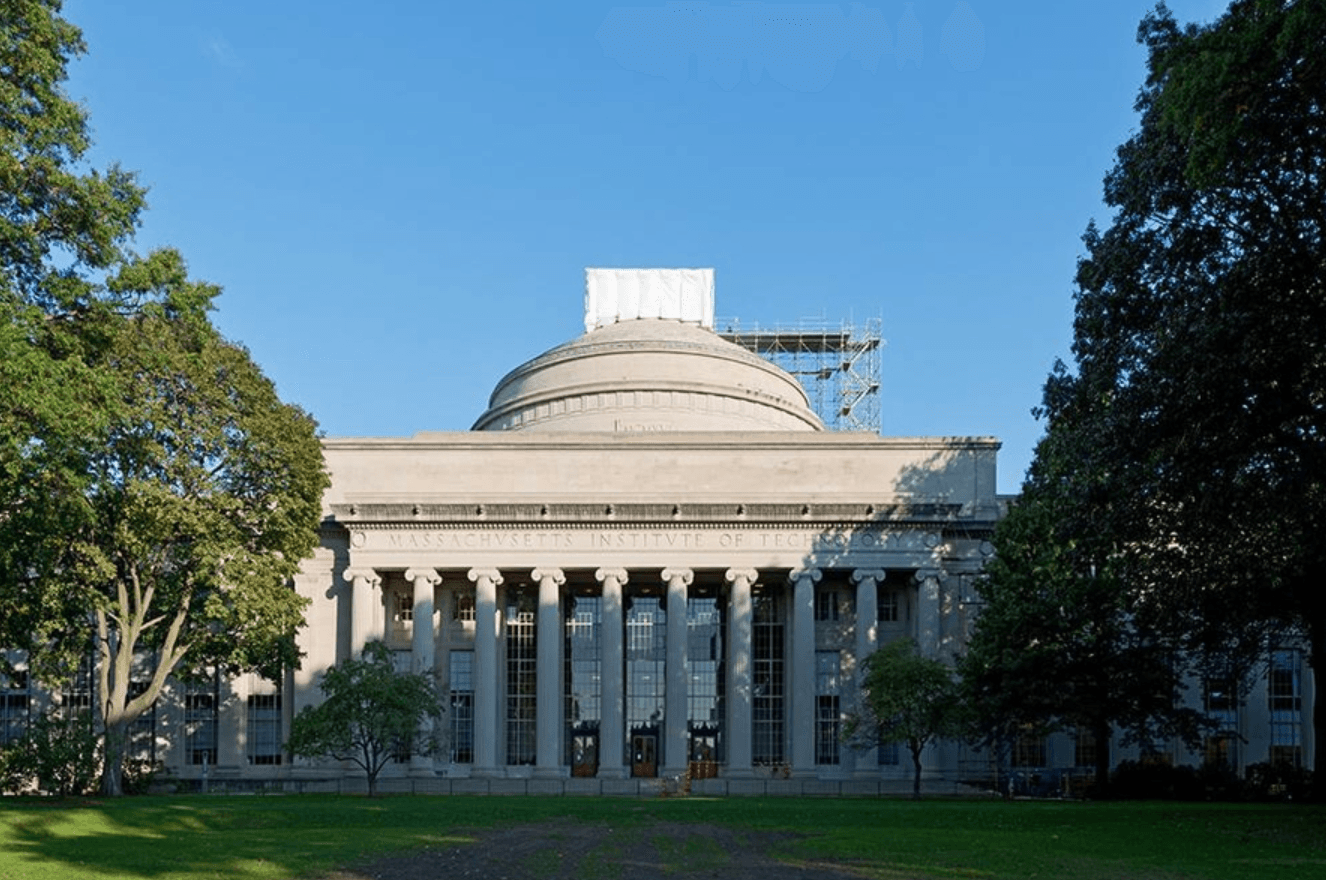
Overview
The Massachusetts Institute of Technology (MIT) is one of the world’s most selective universities, known for STEM strength, hands-on learning, and a problem-solving culture that blends engineering, science, humanities, and entrepreneurship. Based in Cambridge, Massachusetts, MIT sits in a dense innovation corridor and offers an intensely collaborative campus where most undergraduates live, learn, and build together.
With an acceptance rate around 5 percent, MIT is highly competitive. A strong application doesn’t just show you’re smart. It shows how you use your mind: to experiment, create, collaborate, take intellectual risks, and follow through.
What MIT Looks For in Applicants
Collaboration and leadership through action
MIT is team-oriented. They care about how you work with others, not just whether you held a title. Strong applicants show they can contribute meaningfully to groups, build momentum in teams, and lead by doing. Your activities should demonstrate that you elevate others, solve problems together, and drive outcomes.
Curiosity that turns into building
MIT’s culture is “learn it, test it, make it.” They love students who move from ideas to prototypes, from interest to experiments, from questions to projects. Whether it’s research, robotics, coding, design, or tinkering, what matters is proof that you apply learning in the real world.
Risk-taking and initiative
MIT values students who go beyond the standard path. This can look like joining a hackathon, teaching yourself a hard skill, building a project without being assigned one, or pursuing a new idea even if it might fail. The key signal is initiative and intellectual boldness.
Character and balance
MIT’s admissions team pays attention to personal qualities: resilience, kindness, integrity, and self-awareness. MIT is demanding. They want people who can handle pressure while staying grounded and supportive, and who reflect thoughtfully on their experiences.
Academic profile and testing
Admitted students typically have extremely strong grades in the most rigorous coursework available to them (often around a 3.9–4.0 GPA range). MIT focuses heavily on academic preparation, especially in math and science, but they also value strong communication and writing ability.
MIT requires standardized testing (SAT or ACT) for first-year applicants. Writing sections are not required, but clear communication matters throughout the application, especially in essays. MIT also expects students to develop strong writing and speaking skills during college, so showing you can communicate clearly is a real advantage.
Application requirements
You can apply through the MIT application or the Common App (depending on the year and pathway you use). Key components typically include:
Deadlines
Early Action: November 1
Regular Action: January 5
Recommendations
MIT’s recommendation structure is intentional: they want to see both your technical strengths and your humanities-side thinking and communication.
Choose teachers who can describe how you think and how you show up in class. The most useful letters include specifics: how you tackle tough problems, how you respond to feedback, how you collaborate, and how you contribute to discussion. Asking early and sharing context about your projects and goals helps recommenders write stronger letters.
Extracurricular activities
MIT is not impressed by long lists. They’re looking for depth and evidence that you build, research, code, design, invent, or lead impact.
Strong activities often show:
If your activities naturally connect to environments like undergraduate research, maker spaces, robotics, coding teams, or community problem-solving, that’s a strong fit signal.
MIT essays
MIT’s essays are short but extremely important. They’re designed to show how you think, what you care about, and how you engage with challenges and people.
The prompts typically ask about:
MIT essays work best when they feel concrete and “real”: specific moments, specific decisions, specific details about how you approached a problem.
Strategy tips
Prioritize hands-on work
If MIT is a serious goal, build a track record of doing. Research, build projects, enter competitions or hackathons, create tools people use, or solve a real need in your environment. MIT loves execution.
Show active curiosity
Don’t just say you like a topic. Show the rabbit hole you went down: what you tried, what failed, what you learned, what you improved.
Impact matters more than scale
MIT doesn’t require world-changing achievements. They care about initiative and follow-through. A small project with real users or a meaningful improvement can read stronger than a vague “big mission.”
Use essays to reveal your mind
Your essays should make it easy to imagine you on campus: curious, collaborative, resilient, and building something. Make your thinking visible.
Is MIT the right fit?
MIT is best for students who thrive in a rigorous, fast-moving environment and genuinely enjoy collaborative problem-solving. It’s a strong fit if you:
If you’re excited by intense academics plus hands-on creation, and you’re the kind of person who turns curiosity into projects, MIT may be an excellent match.
UC Berkeley Admissions Guide
Get Guidance for MIT
We'll match you with a mentor who knows MIT inside and out.